
Flawless Event Catering: Timing, Menu and Service
- Deliciously Good Foods
- Apr 17
- 4 min read
Updated: Jul 27
When it comes to hosting an event, catering plays a starring role. The food you serve can elevate the entire experience or leave guests feeling underwhelmed. I’ve learned that flawless catering doesn’t happen by chance. It requires thoughtful planning, clear communication, and a keen eye for detail. Whether you’re organizing a corporate gathering, wedding, or community event in Metro Vancouver, these event catering planning tips will help you deliver a memorable dining experience.
Understanding Your Event Catering Planning Tips
The first step in planning flawless catering is understanding the unique needs of your event. Ask yourself:
What type of event am I hosting? Formal, casual, or themed?
How many guests will attend?
What is the venue like? Indoor, outdoor, or a mix?
Are there any dietary restrictions or preferences to consider?
Knowing these details upfront shapes your catering choices. For example, a formal dinner requires plated service with elegant presentation, while a casual networking event might call for buffet-style or passed hors d’oeuvres. In Metro Vancouver, where diverse tastes and dietary needs are common, offering vegetarian, vegan, gluten-free, and allergy-friendly options is essential.
I always recommend creating a detailed guest list and including notes on dietary restrictions. This helps avoid last-minute surprises and ensures everyone feels included. It’s also wise to consider the timing of your event. Will guests arrive hungry, or is food more of a light accompaniment? This affects portion sizes and menu selection.
Choosing the Right Menu for Your Event
Selecting the right menu is where creativity meets practicality. Your menu should reflect the event’s tone and your guests’ preferences. Here are some tips to guide your choices:
Balance flavors and textures: Include a mix of savory, sweet, crunchy, and creamy dishes.
Seasonal and local ingredients: Metro Vancouver offers fantastic local produce and seafood. Incorporate these for freshness and sustainability.
Variety: Offer options for meat-eaters, vegetarians, and those with dietary restrictions.
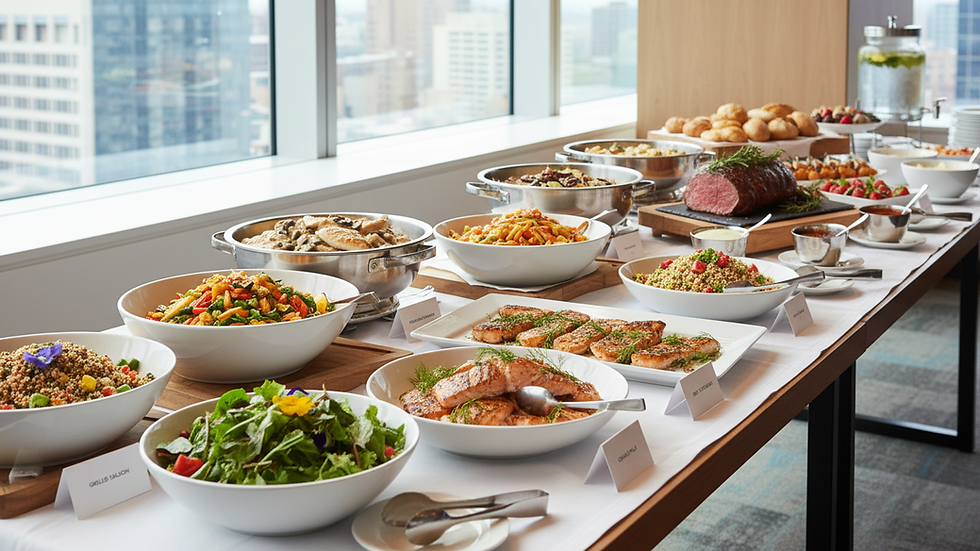
Presentation: Food should look as good as it tastes. Think colorful platters, elegant plating, and thoughtful garnishes.
For example, a summer garden party might feature grilled salmon, quinoa salad with fresh herbs, and a berry tart for dessert. A winter corporate event could include hearty soups, roasted root vegetables, and a rich chocolate mousse.
Don’t forget beverages. Pair your menu with suitable drinks, whether it’s wine, craft beer, cocktails, or non-alcoholic options like infused water and specialty teas.

Coordinating Logistics and Timing
Timing is everything in event catering. Coordinating logistics ensures food arrives fresh, is served at the right temperature, and flows seamlessly with the event schedule.
Start by confirming the venue’s kitchen facilities and any restrictions. Some locations may have limited prep space or rules about outside caterers. Knowing this helps you plan equipment needs and staffing.
Create a detailed timeline that includes:
Food preparation start times
Delivery and setup
Serving times
Cleanup
Communicate this timeline clearly with your catering team and venue staff. This avoids confusion and last-minute rushes.
Consider how food will be served. Buffet lines need space and flow to prevent bottlenecks. Plated meals require enough servers to keep courses moving smoothly. For outdoor events, plan for weather contingencies like tents or heaters.
Working with Your Catering Team
Your catering team is your partner in success. Building a strong relationship with them makes all the difference.
Start by sharing your vision and expectations clearly. Provide details about the event, guest count, menu preferences, and any special requests. Ask for their input—they bring valuable expertise and can suggest ideas you might not have considered.
Discuss staffing levels to ensure adequate service. For larger events, you may need servers, bartenders, and coordinators. Confirm who handles setup and cleanup to avoid surprises.
Taste testing is a must. Schedule a session to sample menu items and finalize choices. This also gives you a chance to assess presentation and portion sizes.
Finally, keep communication open leading up to the event. Confirm details a few days before and have a point person on-site during the event to handle any issues.

Enhancing Guest Experience with Thoughtful Details
Flawless catering goes beyond food. It’s about creating an experience that delights guests from start to finish.
Consider these enhancements:
Themed decor: Match table settings and serving ware to your event’s theme or colors.
Interactive stations: Live cooking or carving stations add excitement and engagement.
Personalized touches: Custom menus, place cards, or branded napkins make guests feel special.
Dietary transparency: Clearly label dishes with ingredients and allergen info.
Efficient service: Ensure servers are attentive but unobtrusive.
Small details like these show care and professionalism. They also help guests relax and enjoy themselves, knowing their needs are anticipated.
Making Your Event Catering Memorable
Planning flawless catering is a rewarding challenge. It takes foresight, collaboration, and a passion for great food. By focusing on your event’s unique needs, choosing the right menu, coordinating logistics, and working closely with your catering team, you set the stage for success.
Remember, the goal is to create a dining experience that guests will remember fondly. When food tastes delicious and service runs smoothly, your event shines.
If you want to explore more about how to elevate your event catering, check out Deliciously Good Foods, a trusted catering and food service in Metro Vancouver known for diverse, high-quality cuisine.
With these event catering planning tips, you’re well on your way to hosting an event that’s not just good but deliciously unforgettable.


Comments